Find a Community

Spring Back into Shape—Safely, with These Tips

Tips for Improving Muscle Tone for Seniors

April Fool’s Day has come and gone. But there’s nothing funny about what a year of lockdown has done to our physical shape. Many of us have gained weight, but for older adults there’s been another issue: not just weight gain, but loss of muscle tone.

Loss of muscle tone (or, medically speaking, muscle mass) in seniors will show up differently depending on the person. If you’re active, you may notice you get winded much more quickly than you did in years past. Or you may notice your parent now finds it harder to do even the simplest things, such as pushing the chair away from the table or rising from their seat. So although in spirit we’re all ready to spring back to all our previous activities, our bodies might not be ready.

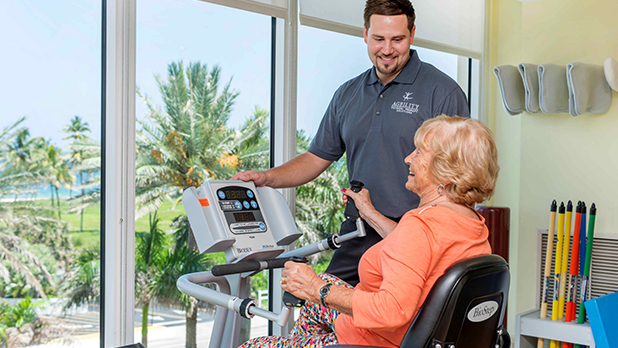
Still, with spring in full bloom, now is a perfect time to get moving again. At Five Star Senior Living, with vaccinations continuing and reopening efforts under way, residents are now taking advantage of weekly reconditioning classes to get back in shape so they can return to the activities they love. But a word of caution: After so many months of reduced physical activity, it’s important to reengage with exercise gradually and not overdo.

“I tell my clients, ‘You’re a different person now,’” says Jessica Lime, a personal trainer with FOX Rehabilitation, Five Star Senior Living’s rehabilitation and fitness training partner. Compared to a year ago, Jessica warns, “We’re not as flexible as we were and our bodies are probably not as efficient, causing us to fatigue quickly.”

With that in mind—and whether your plan is to start going for longer walks, jogging, running, cycling, taking yoga or some other spring shape-up regimen—here are some tips from the experts at FOX Rehabilitation.

How to make reconditioning and regaining muscle tone as rewarding as possible for you:

  1. Be honest with yourself. Look back over the year and admit if you developed what John Wheeler, a physical therapist and Ageility’s fitness director, calls “COVID habits.” Did you sit in front of the TV and snack away? Stop exercising because your gym closed or you just didn’t feel like it? Be honest, but don’t despair. And don’t feel guilty. You were definitely not alone!
  2. Write it down. Put your goals on paper. “Make small, attainable goals,” Jessica advises. As you work toward your goals, note your progress. Did you go from ten touch-toes to twenty? One-mile walk to two? Great! Write it down. “The point is to celebrate little victories that motivate you to keep on going,” Jessica adds.

Here’s another great tip to help reach your goals. “Come up with a motivational word for the week,” says Jessica, words like “energized,” “stronger” or “grandkids.” Post that word on your refrigerator door. “Then use that word in a sentence each day,” says Jessica, noting that doing so makes the word—and your goal—more real. And more likely.

  1. Ease into it. Don’t overdo. Consider starting with gentle chair exercises such as sitting and stretching to your toes. Try this: Sit up straight in a chair, feet firmly on the floor, and gently roll your head clockwise in a circle several times. Keep your shoulders down. Breathe in through your nose, out through your mouth. Gently switch directions, rolling your head counterclockwise for a few circles.
  2. Listen to your body. Your body is very good at telling you when it’s had enough. Heed one of the golden rules of physical therapy and if you feel pain, stop. Better, Jessica says, to increase exercise activity slowly, steadily and in moderation. Muscle soreness, not pain, is normal. If you experience muscle soreness, let your muscles rest two or three days before resuming your routine.

Kathryn Cunningham, Fitness Programming and Training Specialist at Ageility, adds, “For people who have been inactive, nothing is going to feel as fluid as it was. Be mindful if you’re feeling stiff or lack flexibility. Especially if you’ve had surgery or rehab and haven’t seen a health professional in a while, consider getting a reevaluation from your physician or physical therapist.”

  1. Remember to hydrate. “Always keep a bottle of water nearby when you work out,” Jessica says. “Hydration is key and often overlooked.” In fact, the human body loses water all day long, and perspiration and breathing harder during exercise only accelerate that loss. According to the Cleveland Clinic, losing even 1.5% of your body’s fluids can lead to dehydration, with symptoms ranging from a simple headache to life-threatening heat stroke.
  2. Don’t bounce! Stretching to touch one’s toes is a great, simple exercise to build flexibility—but if you bounce your fingertips while trying to touch the tips of your toes, you can do more damage than good. “Better to stretch down as far as you comfortably can and hold, then stand back up,” Jessica says, adding that bouncing can actually damage muscle tissue.
  3. Give it time. Both Jessica and Kathryn stress that a new you doesn’t happen overnight. A good reconditioning protocol can take two to three months to yield results. That’s actually a fraction of the time we’ve all spent in lockdown. Undoing all that stiffness and lack of energy in just 60 days after a year of shelter-in-place can seem like a bargain.

And the payoffs are worth it! You drop a pant size. You can look forward to joining a walking club again. You can lift your grandchild when you see them. All because you set some goals, eased into an exercise routine, took precautions, listened to your body, and didn’t rush things. Sounds like a good deal.

Throughout April, all Five Star locations are offering reconditioning classes, created by Ageility, to help our residents get their bodies back in action again. Do you know someone who could benefit from a lifestyle that includes regular reconditioning?

Are Probiotics Overrated?

If you’ve noticed probiotics getting a lot of media attention, you aren’t alone. Hyped as a cure-all for everything from psoriasis to ulcers, people often wonder if they really work. Since the price of a bottle of probiotics can be fairly steep depending on the brand, we decided to look at what research shows.

What Are Probiotics?

According to the experts at the Cleveland Clinic, probiotics are made up of good bacteria and yeast that occur naturally in the body. They are part of the microbes that keep the body healthy. Most of these beneficial bacteria live in the gut, but can also be found in other areas of the body. These include the mouth, urinary tract, skin, and lungs.

Contrary to popular belief, probiotics aren’t just supplements you buy at the health food store. They can also be found naturally in foods. Most experts agree probiotic-rich foods are better than supplements. But if you’ve been seriously ill and the bad bacteria in your gut has taken over, food choices might not be enough. Supplements, at least on a short-term basis, might be necessary.

Other medical conditions that may be moderated by probiotics include:

  • Irritable bowel syndrome
  • Crohn’s disease
  • Diarrhea
  • Ulcers caused by H. pylori
  • Constipation
  • Yeast infection
  • Urinary tract infection

As is true of any health concern, it’s best to talk with your primary care physician before making any changes.

Foods That Contain Probiotics

What foods can you include in your diet to increase the good bacteria in your body? A few to consider include:

  • Yogurt
  • Kefir
  • Kombucha
  • Buttermilk
  • Sourdough bread
  • Sauerkraut
  • Miso
  • Kimchi
  • Pickles

Choosing a Supplement

If you and your physician decide a probiotic supplement might be the best course of action, it may help to match the health condition you are experiencing to the right supplement. Bacteria and yeast are different and targeting the right ones may help improve your outcome. “How to Choose the Best Probiotic Supplement” can help.

Subscribe to the Five Star Blog

If you are an older adult or a caregiver for one, we encourage you to subscribe to the Five Star Blog. We post updates and news on topics from downsizing to medication management throughout the week. Our newsletter filled with helpful resources will be delivered directly to your inbox. You never have to worry about providing your email address to us. We protect your privacy by never sharing your contact information.

6 Ways Seniors Can Boost Their Immune System

With all the talk about viruses and immunity recently, it makes sense to learn more about strengthening the immune system. It’s especially important for older adults. Immunity changes with age, and the body’s defense systems don’t work as well as they did in younger days.

Fortunately, seniors can adapt their lifestyle to help compensate for the immune system’s age-related decline. While coronavirus concerns linger, staying as healthy and strong as possible is essential.

6 Steps to a Stronger Immune System

People are often reluctant to take medications or receive vaccinations that may not be necessary. While both can pump up immunity, there are natural immune system boosters to discuss with your primary care physicians.

Your doctor might suggest the following to strengthen the immune system when you are older:

  1. Well-balanced diet: Nutrition is a core component of health at every age. A well-balanced diet is the best way to get the vitamins, minerals, and protein necessary for a strong immune system. As we age, the body doesn’t process nutrients like it used to. While supplements may be necessary, food should be the first line of defense. Ask your physician what type of diet they recommend. One often suggested by health professionals is the DASH diet. It’s linked to longer life and fewer incidences of disease.
  2. Movement: Staying active is another step to keep your immune system strong as you age. Most seniors should exercise for 30 minutes at least 5 days a week. Hand in hand with exercise is avoiding a sedentary lifestyle. Sitting for long periods of time contributes to health problems from diabetes to high blood pressure.
  3. Sleep: The body needs quality sleep to regenerate. Recovery time is essential for seniors, who are especially susceptible to inflammation and infection. Sleep issues, especially insomnia, are more common in older adults. If you or the senior you are a caregiver for are struggling to get 7 to 8 hours of sleep each night, talk with a physician. An underlying medical issue might be the cause.
  4. Hydration: It’s easy to underestimate the importance of good hydration. But staying hydrated is vital for digestion, skin health, energy, and sleep. It also promotes better absorption of vitamins and minerals and aids in eliminating waste. Healthy adults should drink half their weight in ounces of water every day. If you aren’t a fan of water, many foods have a high water content. Celery, melon, berries, cucumber, and leafy greens are a few.
  5. Stress management: Chronic stress takes a toll on the body, especially the immune system. White blood cells known as lymphocytes help the body fight off infection. Long-term stress increases cortisol production, which increases inflammation. Research links inflammation to heart disease, Alzheimer’s, arthritis, and lupus. Explore healthy ways to reduce stress, such as meditation, Tai Chi, walking, or journaling.
  6. Vaccines: One last suggestion to help you or a senior loved one boost your immune system is to stay current on immunizations. Most older adults need an annual flu shot in the fall. Also speak with your doctor about receiving the shingles and pneumonia vaccines, as well as Tdap.

Live Well at Five Star Senior Living

From a flexible dining program to daily life enrichment activities, Five Star Senior Living communities allow older adults to thrive. If you haven’t visited a community before, anytime is a great time to take a tour. If you feel more comfortable, we can even arrange a virtual visit! Your safety matters.

Contact Us Today

Healthy Snacks for Older Adults

Aging well means committing to a positive lifestyle. From exercise and hydration to eating well and managing stress, your choices can influence your health as you grow older. Making smart food choices includes paying attention to not just meals, but also to snacks.

We have some fresh ideas for healthy snacks to try. Each can be prepared quickly and with little fuss.

16 Healthy Snacks for Older Adults


  1. Apple slices topped with natural peanut butter
  2. Hummus with fresh vegetables or baked pita chips
  3. Plain Greek yogurt mixed with cinnamon or fresh fruit
  4. Popcorn without butter
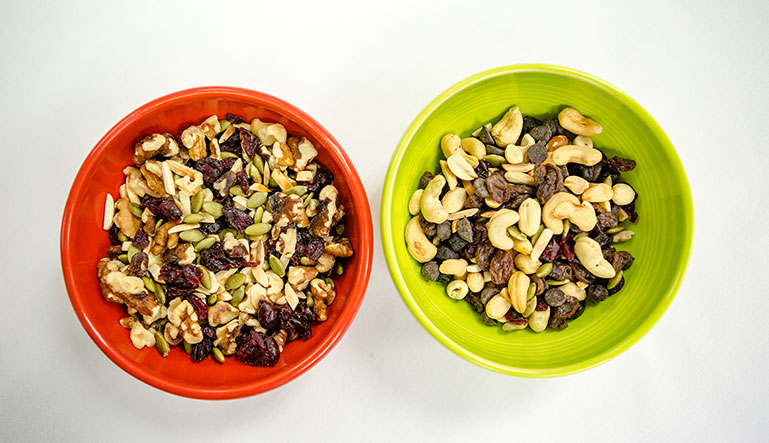
  5. Handful of almonds, walnuts, or pistachios
  6. Red bell pepper and guacamole
  7. Frozen fruit smoothie
  8. Homemade paleo-friendly granola
  9. Celery with peanut butter and raisins
  10. Pears lightly covered with ricotta cheese
  11. Turkey slices rolled up with avocado
  12. Bowl of fresh berries or melon
  13. Sun-dried tomatoes and mozzarella
  14. Fruit kabobs served with vanilla-honey dip
  15. Cinnamon-sprinkled grilled peaches
  16. Hard-boiled egg with a piece of whole wheat toast

Another option is to explore and bookmark a few websites that share recipes for healthy snacks.

Recipes for Healthy, Senior-Friendly Treats

Visit these sites for tasty, nutritious treat ideas:

If you are wondering how to incorporate snacks into menu planning, especially if you are a senior, it’s important to understand how nutritional needs change as you grow older.

Senior-Friendly Menu Planning

Another great source to help you learn more about good nutrition is the National Council on Aging (NCOA). Healthy Eating Tips for Seniors has resources and videos ranging from eating well on a budget to what recommended serving sizes for older adults look like.

One final tip is to subscribe to the Five Star Senior Living newsletter. You will receive the latest news on aging and wellness for older adults delivered right to your inbox. No worries about spam and junk email. We’ll never share or sell your personal information!

Visit Five Star Senior Living for a Complimentary Meal

Meals and snacks at Five Star Senior Living communities are nutritious and delicious. Our dining services program is a popular part of daily life. We invite you to see for yourself. Contact us to arrange a time to join us for a complimentary meal of your choice!

Contact Us Today

Do Older Adults Still Need Colonoscopies

It’s an unpleasant topic few adults want to discuss: colonoscopies. The very idea of the procedure is off-putting to many. While the prep is less unpleasant than it used to be, it’s still necessary to cleanse the colon. For many adults, the perceived loss of dignity associated with a colonoscopy is the primary reason for avoiding it.

This colon cancer screening is recommended for most adults between the ages of 50 and 75, but it’s estimated only 67% of people actually get one. That worries physicians since colon cancer is the fourth leading cause of death in this country. By having a colonoscopy every ten years (more frequently if recommended) you significantly reduce your odds of developing this deadly form of cancer.

But for older adults, there are legitimate concerns to consider. They include worries about undergoing sedation and the risk of a bowel perforation. Both can be dangerous for seniors. In fact, adults over the age of 65 are at 30% higher risk for perforation, which can be life-threatening.

Here’s what to know before scheduling a colonoscopy if you are over the age of 65.

The Facts about Colonoscopies and Seniors

  • Age: The 2008 United States Preventive Services Task Force guidelines on colorectal cancer screenings discussed age. The task force recommends fecal occult blood testing, sigmoidoscopy, or colonoscopy for people between the ages of 50 and 75. After 76, however, they say adults should not undergo a colonoscopy unless there are special circumstances.
  • Last screening: When deciding whether a senior should have a colonoscopy, a physician will also look at the date and results of their last colonoscopy. Because colon cancer is usually slow-growing, an older adult might not need another one. The decision should be made on a case-by-case basis.
  • Alternatives: While physicians consider a colonoscopy the gold standard in colon cancer screening, it isn’t the only option. Discuss alternatives with your doctor, including a sigmoidoscopy or a fecal occult blood test. A newer, non-invasive screening gaining the trust of physicians is Cologuard. Research shows it to be effective at detecting colon cancer, even in early stages.
  • Overall health: When a physician is deciding whether a senior patient needs a colonoscopy, they will also look at the older adult’s overall wellness. A healthy, active senior may be a good candidate for a colonoscopy, while an adult with chronic health conditions might be better off getting a fecal occult blood test or another screening.

Finally, it’s essential to find a qualified physician to perform a colonoscopy for a senior. A trained endoscopist is usually best.

Subscribe to the Five Star Newsletter

If you try to stay abreast of the latest research and news on senior living, aging, and caregiving, we have a resource you won’t want to miss. You can subscribe to our free publication, the Five Star Newsletter. We’ll deliver a copy to your inbox once or twice each month. Enter your email address in the green box at the bottom of this page to get started!

How Often Does a Healthy Senior Need to See the Doctor?

Let’s face it, few of us are excited to make a doctor’s appointment. If you feel well and consider yourself healthy, it’s easy to think you don’t need an annual checkup. So, is it really necessary to see the doctor when you aren’t sick?

How frequently you should see a doctor when you feel healthy is a question often debated by adults. This is especially true for those who suffer from white coat syndrome, a term used to describe anxiety experienced during physician appointments. For some, white coat syndrome can be serious enough to cause a rapid rise in blood pressure.

While there’s no hard and fast rule on how often a healthy senior should visit their doctor, at least one wellness visit a year is essential.

4 Reasons Seniors Need a Yearly Physical Exam


  1. Screenings: A yearly checkup gives your physician an opportunity to evaluate the need for and schedule routine health screenings, such as mammograms and colonoscopies.
  2. Bloodwork: This visit will also give your doctor an opportunity to order and review routine bloodwork. Cholesterol screening, vitamin deficiencies, and diabetes testing are a few common ones.
  3. Immunizations: Your doctor will likely discuss an immunization schedule with you. This can include when to get a flu shot and if you need a pneumonia or shingles vaccine.
  4. Early intervention: When you are feeling great, an annual physical lets your physician confirm there’s nothing wrong. It also gives the doctor an opportunity to identify small issues before they become big problems. For example, frequent headaches might be a symptom of seasonal allergies that can be managed without medication. Your physician can likely offer some suggestions.

Take Advantage of the Medicare Wellness Visit

Medicare Part B and many Medicare Advantage plans will pay for one physician visit each year to assess a senior’s health. If you’ve been participating in Medicare Part B for at least one year, you are entitled to a Medicare Wellness Visit.

Fortunately, your Medicare Part B deductible won’t apply to this visit. However, there may be a co-pay or deductible that applies to any screenings or tests your doctor orders. If you have questions, speak with the billing specialist at your physician’s office for clarification.

Health & Wellness at Five Star Senior Living

Seniors looking for other ways to stay healthy may also want to consider moving to a senior living community. Independent living often provides ample access to activities and facilities. For example, Five Star Senior Living communities prioritize wellness and many offer amenities like pools, walking paths, fitness centers, and more. Dining and nutrition is something we take pride in too.

To learn more about the the healthy lifestyles a senior living community can provide older adults, contact us today!

Contact Us Today

FAST: Recognizing the Signs of a Stroke

According to the Centers for Disease Control and Prevention, strokes are the fifth leading cause of death in this country. One person dies from a stroke every four minutes. It’s a serious issue that requires older adults and their loved ones to be on guard.

May is designated as Stroke Awareness Month. It’s dedicated to helping people learn more about the risk factors and warning signs of a stroke. In honor of this month-long campaign, we share more information on both.

FAST: Remember the Warning Signs of a Stroke

FAST is an acronym that will help you identify the most common signs of a stroke:

  • Face: If you suspect a friend or family member is having a stroke, look at their face. During a stroke, one side of the mouth often droops. Ask them to smile. If their smile looks lopsided or different than usual, it is likely a concern. Not everyone who has a stroke gets a facial droop, but it is an indicator of stroke.
  • Arms: The next thing to explore is ability to use their arms. Ask the person to try to raise both arms over their head. If they are experiencing a stroke, they might not be able to lift one arm. If they can lift both arms, watch to see if one drifts downward. Being unable to hold both arms up can be a warning sign of a stroke.
  • Speech: Speech is the next thing to check. Ask the person a few questions or anything to get them talking. Problems speaking, slurred words, repetition of the same words or phrases, or unusual speech patterns should be taken very seriously. Because a stroke interrupts blood flow to the brain, speech problems are one of the most common warning signs.
  • Time: Every second counts when a person is having a stroke. If someone close to you is exhibiting any of the stroke symptoms listed above, call 911 without delay. Tell the dispatcher you suspect a stroke. Life-saving stroke medications are time-sensitive and calling 911 is usually the fastest way to summon help. Don’t wait to see if warning signs disappear on their own.

Combat Risk Factors for a Stroke

  1. Eat a well-balanced diet: Fill your plate with fresh fruits, vegetables, and low-fat proteins. Beans, nuts, and whole grains can also help. Healthy eating aids in weight control and cholesterol management, both of which can lower the odds of having a stroke.
  2. Watch your sodium: While your physician is the best person to determine how much is too much, sodium intake should usually be limited to 1500 mg a day to avoid high blood pressure or prehypertension. Both conditions increase stroke risk.
  3. Don’t smoke: Smokers are twice as likely to experience a stroke as their non-smoking peers. If you are a smoker, commit to quitting. Research shows smokers who quit add up to 3.4 more years to their life.
  4. Stay active: A sedentary lifestyle is now considered just as risky as smoking. Stay active and avoid sitting for long periods of time.

You can learn more about stroke prevention by taking this quick Test Your Stroke IQ quiz.

A Unique Approach to Aging

At Five Star Senior Living communities, we take a unique approach to resident care. Our three pillars—Health & Wellness, Warmth & Hospitality, and Dining & Nutrition—ensure residents enjoy their best quality of life.

The Skin Care Benefits of Vitamin C

Vitamin C does more than pump up the immune system so we can better fight colds. It’s also believed to help prevent bone loss, maintain vision, and promote better oral health. But there’s growing evidence that vitamin C can also be good for your skin.

Here’s what skin care experts say about vitamin C’s benefits.

Vitamin C and Aging Skin

If you’ve noticed an abundance of commercials and print ads touting the benefits of collagen, you aren’t alone. Unlike fillers and injections of the past, this is a different type of collagen. Celebrities and fitness experts hype collagen supplements in powder form. Researchers predict Americans will spend $293 million on collagen in 2020, up from $50 million in 2014.

Those who believe in collagen’s benefits say it keeps your skin plumper while making lines less noticeable. As we age, the collagen in our bodies breaks down faster than it can naturally be replaced.

Vitamin C can help spur on collagen production in the body. The Mayo Clinic recommends 90 milligrams of vitamin C a day for men and 75 milligrams for women. While exceeding that amount likely won’t be harmful, it may upset your stomach and digestive tract and cause heartburn.

Sources of Vitamin C

Since the body doesn’t produce vitamin C on its own, you’ll have to find it in food sources and supplements. Foods rich in vitamin C include:

  • Oranges
  • Grapefruit
  • Papaya
  • Guava
  • Kiwi
  • Chili peppers
  • Sweet yellow peppers
  • Sweet red peppers
  • Parsley
  • Kale
  • Brussels sprouts
  • Broccoli
  • Strawberries
  • Cantaloupe
  • Pineapple
  • Cauliflower

Evaluating Collagen Supplements

Collagen producers promote lists of their products’ benefits. They include improved gut health, stronger muscles, reduced bone loss, less brittle nails, and better skin. Talk with your physician before adding a collagen supplement, including in powder form, to your diet. They may refer you to a naturopathic or alternative medicine physician for more advice.

VeryWell Health conducted a study of some of the more popular collagen powders on the market in 2020 and ranked them as follows:

  • Vital Proteins Original Collagen Peptides: Best for skin care
  • Great Lakes Gelatin Co. Collagen Hydrolysate: Best for cooking
  • Physician’s Choice Collagen Peptides: Best overall collagen

Skin Care Tips for Older Adults is an article you can quickly read for more ideas on caring for aging skin.

Subscribe to Five Star Senior Living’s Blog

If you haven’t already done so, we encourage you to subscribe to the Five Star Senior Living Blog. We update it throughout the week with the latest news on aging, dementia, wellness, caregiving, and more!

You never have to worry about privacy if you subscribe. We don’t share or sell your contact information. It will only be used to send you occasional emails about senior care and successful aging.

Exercise to Keep Your Lungs Healthy

Many of us focus on living a heart-smart lifestyle as we grow older. Because heart disease claims an estimated 647,000 lives in this country each year, it’s easy to understand why. But lung diseases can also impact how long and well we live. As we age, the lungs typically become weaker and less flexible. Lifestyle can impact how much change the lungs undergo.

The Facts about Lung Disease

According to the National Heart, Lung, and Blood Institute, 235,000 Americans lose their lives as a result of lung-related illnesses each year. This makes lung disease the 3rd leading cause of death in this country.

There are a variety of conditions that fall under this category, including:

  • Lung cancer
  • Asthma
  • Pneumonia
  • Chronic obstructive pulmonary disease (COPD)
  • Pulmonary fibrosis

Lifestyle Choices That Impact Lung Health

While not all lung diseases are preventable, your lifestyle does impact some of them. These tips may protect your lungs as you grow older:

  • Stop smoking: Most of us know the dangers of smoking, but stopping isn’t always easy. If you are struggling to kick the habit, talk with your primary care physician about smoking cessation programs. There are many newer solutions to try.
  • Avoid secondhand smoke: Living with a smoker can be deadly, as can spending time with one. An estimated 41,000 deaths a year are attributed to secondhand smoke. Research shows those exposed to secondhand smoke are at increased risk for respiratory infections, asthma, and lung cancer.
  • Guard against infections: The risk of developing infections that jeopardize older adults, such as the flu and pneumonia, can be lowered by getting vaccinated. The flu shot is an annual vaccine that should be administered in the fall. Medical professionals typically recommend seniors receive two different pneumonia vaccines given six to twelve months apart.
  • Watch what you breathe: A lesser understood cause of lung problems is breathing harsh chemicals. Protect yourself by steering clear of household cleaners, weed killers, and paints that contain strong chemicals. Wear a mask or respirator when you can’t avoid exposure.

Finally, exercise on a regular basis. It’s one of the best ways to keep your lungs healthy.

Senior-Friendly Exercises to Promote Lung Health

Experts say 30 minutes of moderate exercise at least 5 days a week is best for healthy lungs.

If you’ve been leading a sedentary lifestyle, a few forms of aerobic exercise to talk with your primary care physician about include:

  • Walking indoors or on a treadmill
  • Cycling on a bicycle or recumbent bike
  • Swimming or a swim aerobics class
  • Low-impact aerobics or dance class

If a mobility challenge requires you to exercise from a seated position, there are many options:

The goal of exercise is to make your heart and lungs work harder. That allows them to process oxygen more efficiently.

As is true of any new form of exercise, seek the approval of your primary care physician before starting. They can help you set goals for the best types and durations of exercise.

Healthy Living at Five Star

At Five Star Senior Living, we take a holistic approach to healthy living. We offer activities and events each day designed to nurture the body, mind, and spirit. We call it Lifestyle360. Call us at (853) 457-8271 to learn more and schedule a tour of the Five Star community nearest you today!

In a Time of Physical Distancing, Connecting Socially Across Generations is More Important than Ever

Written by: Taylor Patskanick

Collective disruption to our schools, work, and play, along with a heightened awareness of what it means to worry about our close ties with others, add up to fuel for sparking a movement. Just a few days ago, most high school students were in school, looking forward to spring break, graduation, and dreaming about plans for the summer. In light of Covid-19 outbreaks across the globe, many of those plans have suddenly changed.

At the same time, older adults have found that their senior centers and social clubs have closed. Everyday public spaces, such as grocery stores, have become potentially dangerous places. Not only Covid-19, but social isolation is a major risk. In a time of so much uncertainty and change, the mutually beneficial activities that foster connections between the old and young cannot stop now. They are more important than ever.

Connection between older and younger adults strengthens social bonds and community ties, facilitates the sharing of knowledge and wisdom, and reminds us that generational differences are often greater in theory than in practice. The MIT AgeLab helps to organize a program called OMEGA (Opportunities for Multigenerational Exchange, Growth, and Action), an initiative designed to foster multigenerational connections between high school students and older adults. But conventional thinking about intergenerational connection must change during a pandemic. 

While it might not be possible to connect across generations in the usual ways, it doesn’t mean those connections need to stop entirely. Instead, now can be a time for new creative measures: Individuals need to support one another and to leverage technologies to support our relationships. It is now more important than ever to live up to the “mens et manus” (“mind and hand”) MIT motto. Here are some ways the AgeLab is thinking about to help keep generations connected for a better life tomorrow:

Mutual aid: Neighborhood apps like Nextdoor can connect you with neighbors nearby who may be worried about the risk of exposure to the virus in public spaces. With the app, you can volunteer to run an errand, such as grocery shopping. Additionally, with so many school districts shifting over to online learning, adults can offer virtual or phone tutoring to students who may need academic support. Both of these forms of intergenerational aid offer an opportunity to check in with each other and have a conversation.  

Virtual performances: Do you have a hobby or skill like playing a musical instrument, speaking a foreign language, vlogging, cooking, etc., that you could share with someone in your life? Whether live or pre-recorded, virtual performances are a great opportunity to practice your talent while sharing the live energy with others.

Informal conversations: Whether it’s “old school” through the phone or live on a video chatting application, such as FaceTime, Skype, or Zoom, we can talk in real-time with others — or engage thoughtfully through social media. Consider using these formats to check in with folks, to share news or interesting information, or even to do an activity together, such as a puzzle, game, or book club discussion.

Video messages: Pre-recording digital video messages to share with people you can’t visit right now is a great way to let someone know you are thinking of them. You can get really creative with these, including how they are produced, what you discuss, and how many you collect from others.

This article was reposted from its original publication, MIT News.